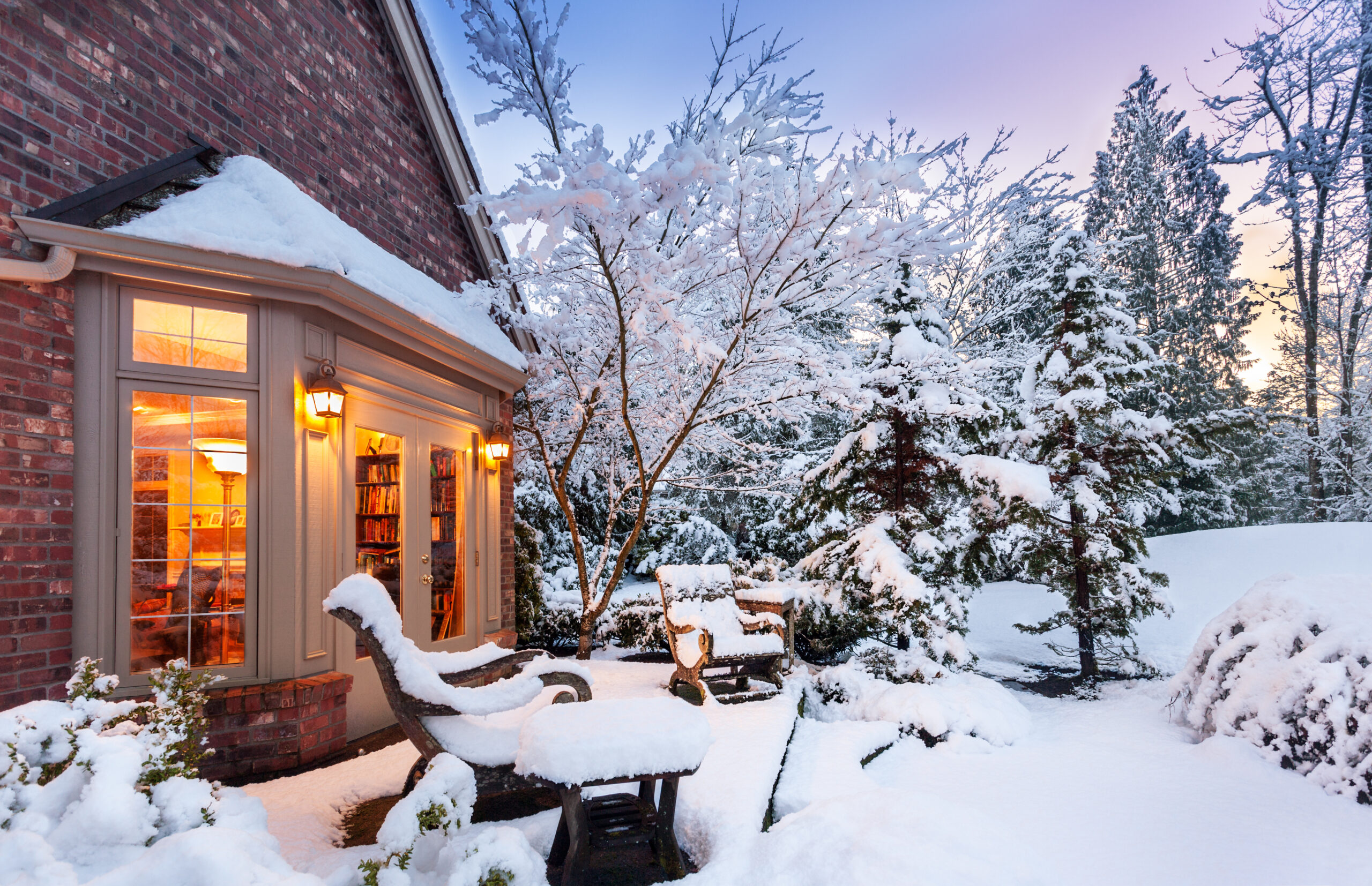
Delaware winters (Zone 7) can be sneaky—mild one week, arctic the next. In our recent winter-prep post, we covered the basics. This follow-up focuses on advanced strategies that help Wilmington-area homeowners protect what matters most: the plants that are actually at risk.
Use these five tactics to make smarter decisions, catch issues early, and design a landscape that shrugs off cold swings.
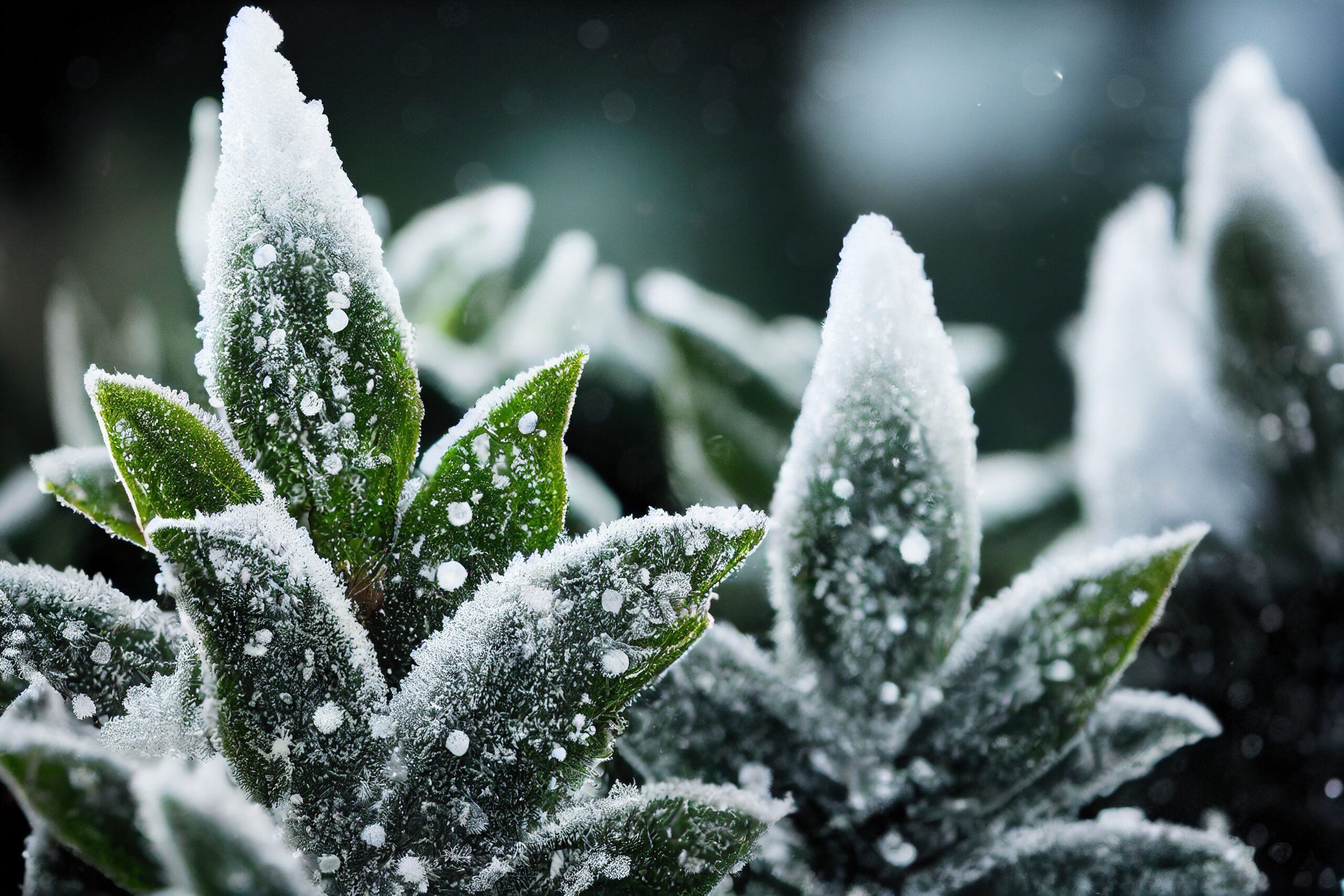
Not every plant needs help. Start by focusing on plants suited for warmer zones or “near-the-edge” options—in plain terms, plants that are barely hardy here. They’ll often do fine if tucked into a warm, protected nook, but can struggle in open, windy spots. (Check hardiness for our area: Wilmington is typically Zone 7a on the USDA Plant Hardiness Map.)
Also flag new or recently transplanted plants—shallower roots generally mean lower resilience. Finally, note exposed locations: wind corridors, north-or north-northwest-facing slopes, low “frost pockets,” or spots near salted walks. Prioritizing protection by species, establishment, and exposure prevents wasted effort and targets what truly needs your attention. If you want a fast, expert risk map, book a maintenance check-in.
When a freeze is coming, focus on:
- Young woody plants and first-year transplants (which have shallower, less-buffered root systems).
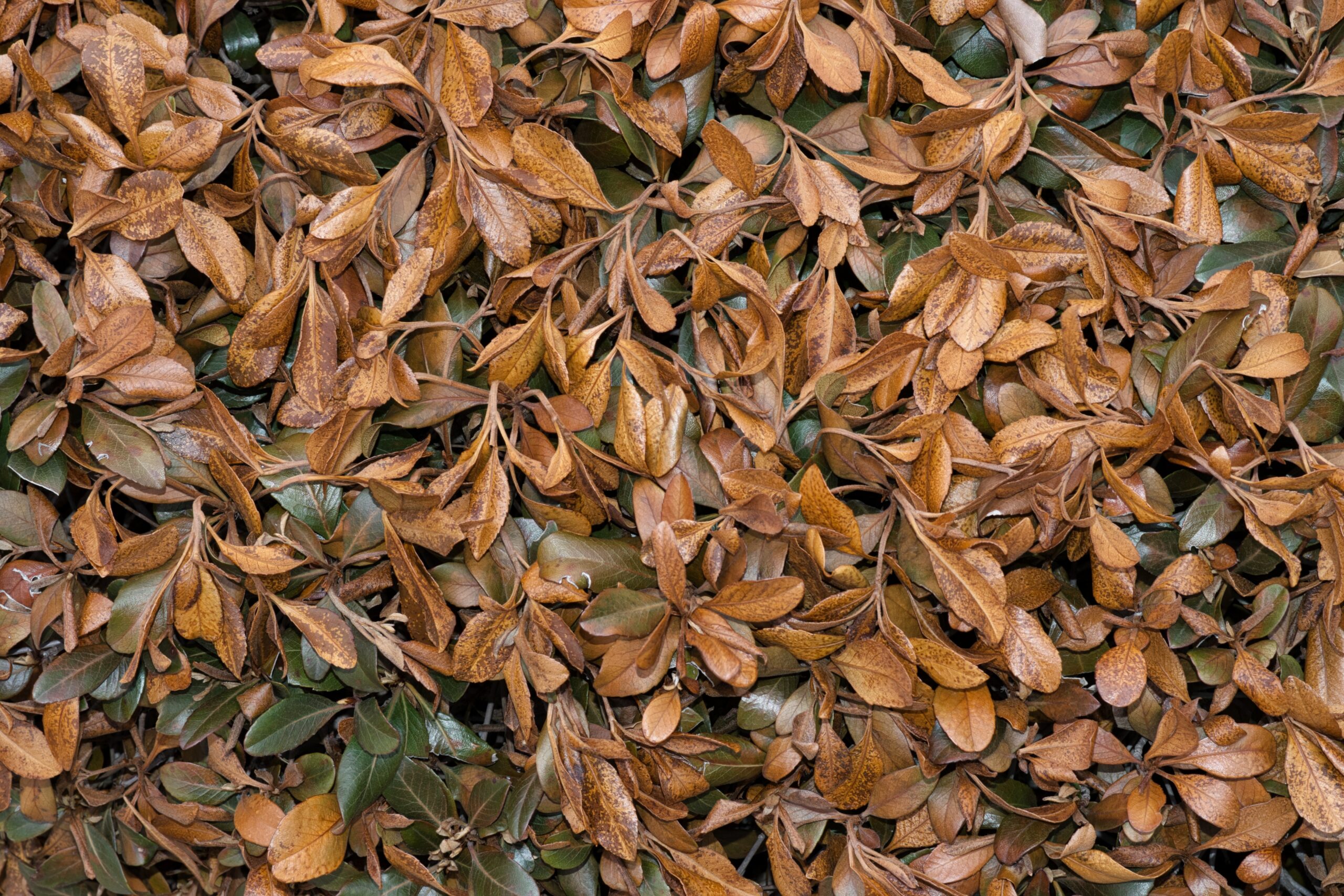
- Broadleaf evergreens in wind (such as holly, rhododendron, boxwood). They keep leaves all winter and still lose water through them. When cold wind dries leaves and the soil is frozen, the plant can’t replace that moisture, causing “winter burn.” You’ll often first see it as browning at the edges or tips; think crispy edges where the leaf dried out. Good overviews: University of Delaware and UMD Extension.
- Containers and raised beds, which chill faster than in-ground plantings.
Plants in sheltered microclimates (e.g., south- or east-facing exposures, wind-protected courtyards) often require less intervention.
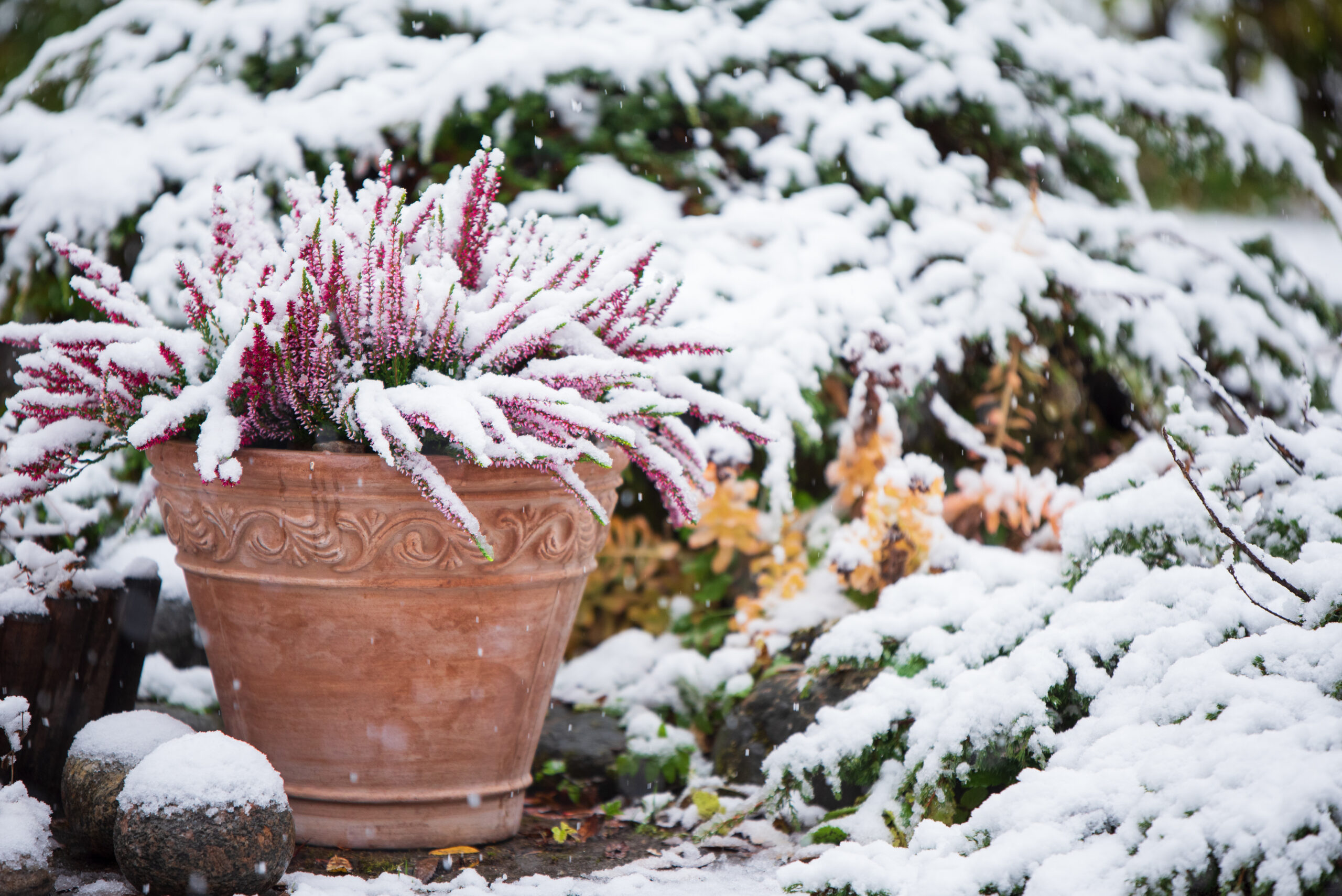
Quick daily scans in cold snaps can save plants:
- Leaf curl or droop on rhododendron and other broadleaf evergreens during freezes is a normal moisture-saving response; persistent browning on tips or edges afterward flags winter burn. Helpful explainer: UNH Extension (rhododendron winter injury).
- Frost heave on shallow-rooted perennials and new installs: look for raised, cracked soil and crowns lifting out—freeze/thaw cycles literally jack plants upward. See Iowa State Extension.
- Bud damage on early bloomers after a warm spell, then hard frost (blackened, mushy buds).
Snap a quick phone pic and note date/conditions. Those logs help you (and us) decide targeted fixes and inform next year’s prevention plan.
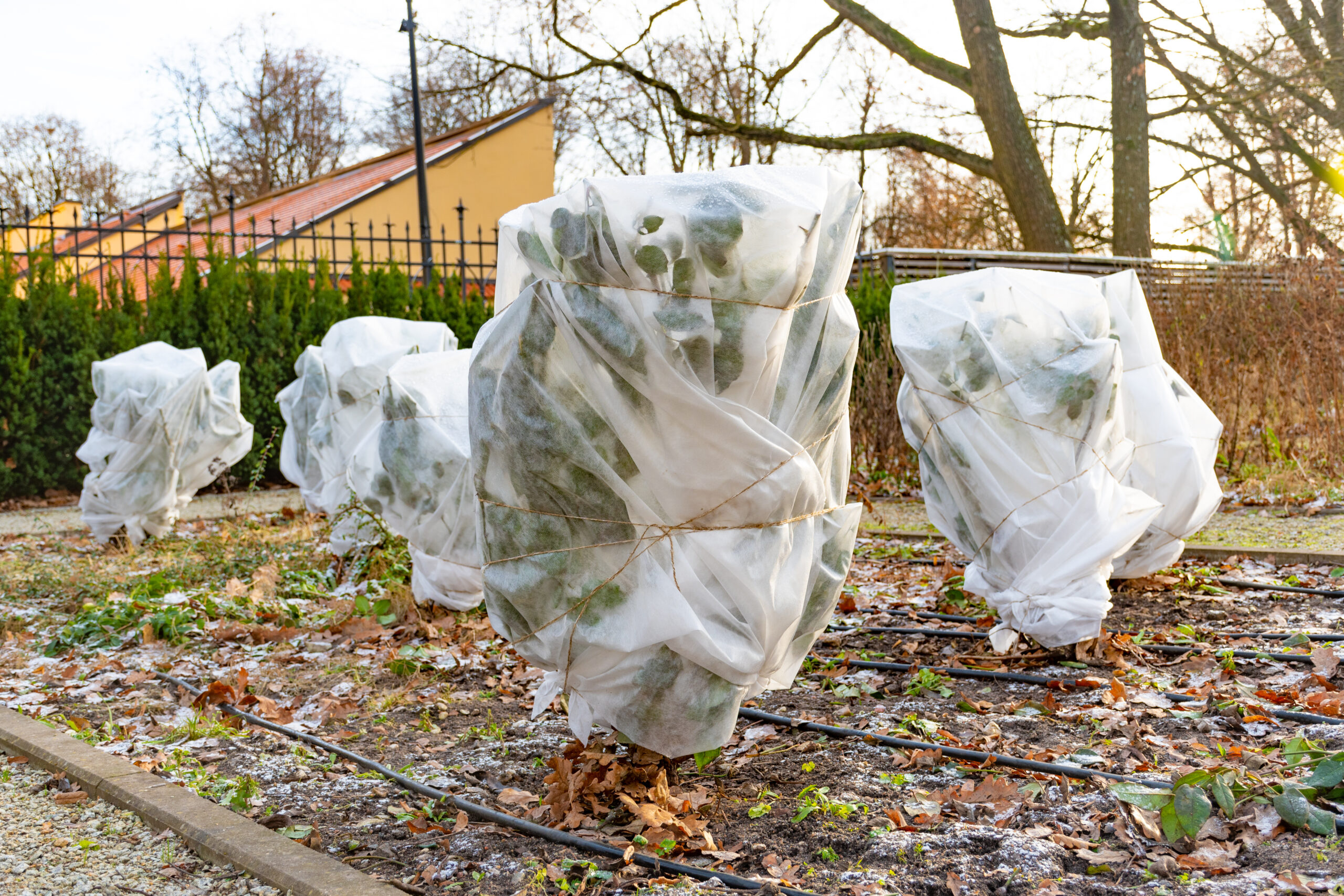
Some moves help immediately; others are best delayed:
- Do gently brush off heavy, wet snow that’s bending branches; push upward with a broom to avoid snapping.
- Don’t chip ice off frozen limbs—wait for a thaw. Forcing ice off breaks wood fibers.
- Do re-seat frost-heaved plants on a mild day: press crowns back to grade and firm soil; mark for fall prevention next year (see ISU and an agronomic overview from Ohio State).
- Wait until late winter/early spring to prune or fertilize winter-stressed plants to avoid stimulating tender growth before another cold snap. (Guidance: UDel Winter Injury.)
Prefer a professional gut-check? Request a quick winter landscape check-in.
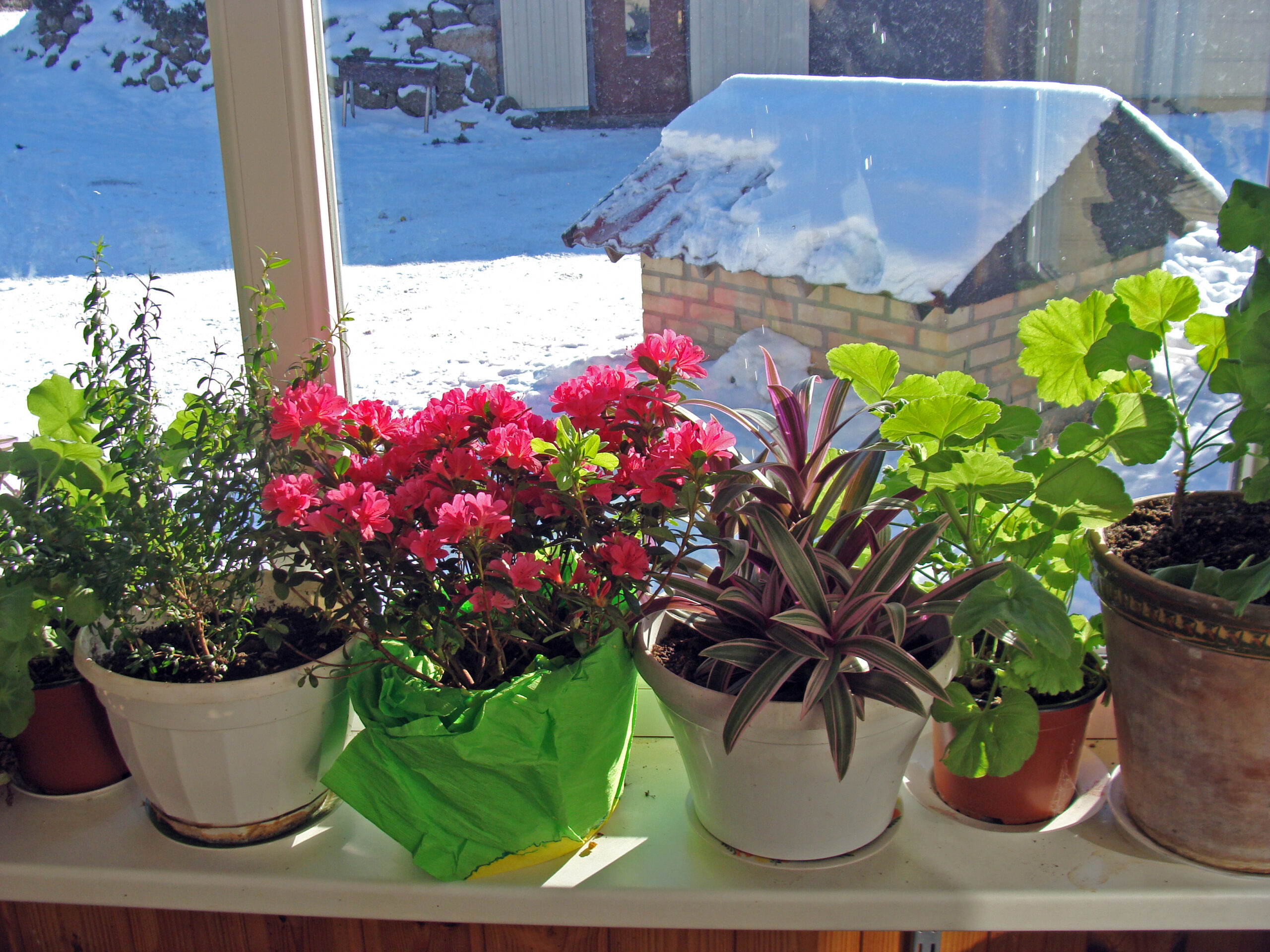
Long term, the best “cold protection” is baked into your plan:
- Right plant, right microclimate. Tuck borderline plants into warmer or sheltered spots; avoid full winter-morning sun on broadleaf evergreens (rapid thaw can scorch).
- Wind strategy. Use built structures or plantings to baffle prevailing winter winds.
- Species selection. Favor Zone-appropriate, proven performers; substitute look-alikes for truly tender choices.
- Drainage and grade. Address chronically wet or low areas that magnify freeze damage and heave.
If you’re adding or renovating, our Design/Build team can specify species and placements that reduce winter risk without sacrificing the look you want.
By mapping risk, triaging effort, watching early stress, timing interventions, and designing for resilience, you’ll protect plants from the cold without redundant busywork. Want a professional set of eyes on your property before the next cold snap? Schedule a winter landscape assessment with Atlantic Landscapes—we’ll prioritize what matters and build a simple action plan for your home. Start here: Contact Atlantic Landscapes.