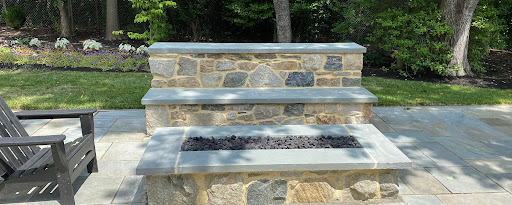
- Patio fire pits and chimeneas are permitted year-round in Delaware per DNREC—including ozone season—except on Air Quality Action Days.
- Plan 25 sq ft per person; interlocking pavers outlast poured slabs in Zone 7a’s freeze–thaw climate.
- Permitting timelines vary by municipality—starting now is what keeps a summer project on a summer schedule.
- One property walk with our team covers sizing, drainage, materials, and a realistic plan.
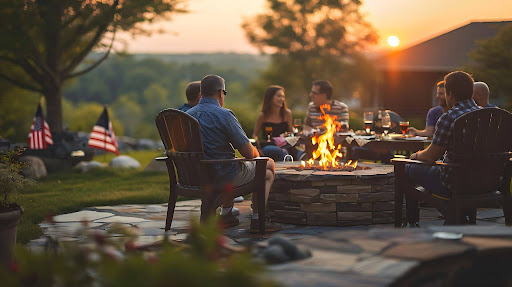
We hear this from Wilmington-area homeowners every June: “I missed it—I’ll wait until next year.” You didn’t miss it. According to DNREC’s residential open burning guidelines, patio fire pits and chimeneas are permitted year-round in Delaware, including during the May–September ozone season when most outdoor burning is restricted. The one exception is an Air Quality Action Day, when all open burning pauses temporarily. Outside of those days, your fire feature is good to go.
A patio and fire pit aren’t weekend luxury spending. They’re an investment in how your property works. We’ve installed hardscaping for homeowners in Hockessin, Greenville, and Newark who weren’t planning to sell—and watched those same patios become the first thing buyers asked about during a showing. When a backyard is built right, it shows.
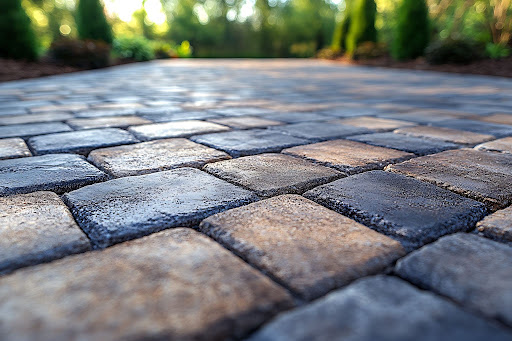
Patio sizing is the one thing homeowners consistently underestimate. The standard guideline is 25 square feet per person, with 2–3 feet of clearance around furniture for traffic flow. Too small, and chairs clip the garden edge. Too large, and you’ve spent the budget on stone that doesn’t earn its place.
Material choice in our climate isn’t a preference—it’s a practical call. The USDA places northern Delaware in hardiness Zone 7a, where repeated freeze–thaw cycles are a given. Poured concrete slabs tend to crack under that stress. Interlocking concrete pavers flex with the ground, shed water through their joints, and can be lifted and reset if frost or tree roots cause shifting. We’ve seen slab jobs installed fine in the fall and cracked by April.
For fire pits, the details that skip DIY inspection are the ones that fail later. You want a non-combustible surround—brick, natural stone, or heavy-duty metal—walls at least six inches high, a compacted stone or sand base at least ten inches deep, and ten feet of clearance from any structure. Our hardscaping team builds those requirements in from the start, not after the fact.
Longer than most homeowners plan for. Permitting timelines vary by municipality and project scope across Delaware, so check with your local building or land use office before committing to a start date. Design work alone typically runs three to five weeks.
If your goal is a finished patio before summer ends, the time to start the conversation is now.
Our design-build team starts with a property walk—not a brochure. We’re looking at grade, drainage, where water pools when it rains, and what the soil is doing. Those details change what we recommend. Sizing, paver selection, base prep, and installation are all handled in-house. Drainage is solved before we lay a single stone—not after you notice standing water under the furniture.
For fire features, gas or wood-burning options are integrated with proper setbacks and ventilation designed in, not retrofitted.
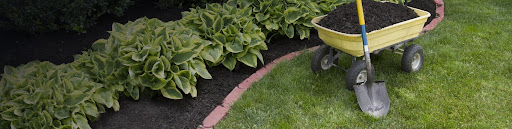
If you want the finished space to stay that way, our maintenance programs cover lawn care, bed maintenance, and seasonal cleanup. If your property includes a drainage basin or pond, we’re DNREC-certified for stormwater facility management.
Summer isn’t over. Reach out to our team, and we’ll walk the property with you, talk through what’s realistic for your space and budget, and put together a plan that holds up.
Can I have a fire pit in my Delaware backyard year-round?
Yes. DNREC permits patio fire pits and chimeneas throughout the year, including during ozone season (May–September). The exception is an Air Quality Action Day, when all open burning is temporarily prohibited. Burning yard waste remains restricted May through September regardless.
Do I need a permit to build a patio in Delaware?
It depends on your municipality and project scope. Some smaller, free-standing structures may qualify for an exemption, but most hardscape projects require a permit. Check with your local building or land use office before you start—and factor the timeline in before setting a target completion date.
What’s the best patio material for Delaware’s climate?
Interlocking concrete pavers are the practical choice for Zone 7a. Unlike poured slabs, they flex through freeze–thaw cycles and can be reset if ground movement causes shifting. We recommend them for most residential projects in the Wilmington area.
How long does patio installation take from start to finish?
From initial design through installation, most projects run eight to fourteen weeks, depending on permitting timelines and scheduling. Starting the design conversation now is what keeps a summer project on a summer schedule.