Most people don’t need “more landscaping.” They need the right attention in the right places—so the yard becomes easier to live with, easier to maintain, and a whole lot more enjoyable.
Get started right away with this quick guide:
- Do one quick walkthrough and spot what’s actually holding the yard back
- Reset the basics (edges, beds, cleanup) so everything looks intentional again
- Prep plants the smart way—without cutting off spring blooms
- Improve one space you’ll feel daily (walkway, patio zone, lighting)
- If you’re upgrading this year, plan now so spring isn’t a scheduling mess
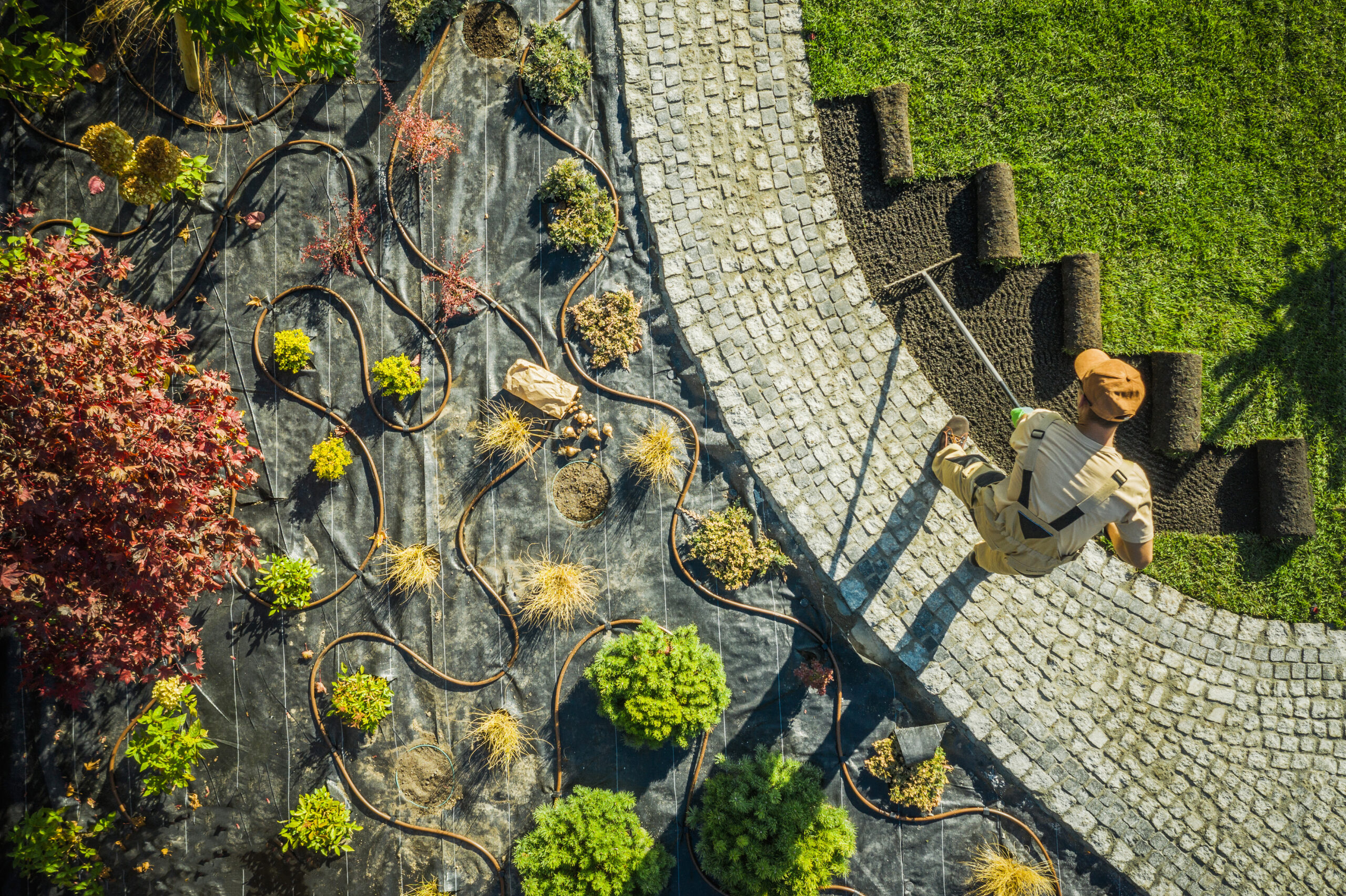
Take 15–20 minutes to walk the property as if you’re seeing it for the first time. Ask yourself: Where does this yard make life harder than it needs to be?
Look for:
- Where you avoid walking (muddy corners, uneven paths, sketchy steps)
- Where water is winning (pooling by downspouts, washouts, mulch drifting)
- Where it feels unfinished (beds that blur into lawn, messy transitions)
- Where space is wasted (a dead corner that could be a grill or seating nook)
- Where the home disappears at night (dark entries, unlit paths)
That walk is usually enough to separate “nice-to-have” from “we should handle that.” If you want a second set of eyes, start with a quick consult through our Contact page.
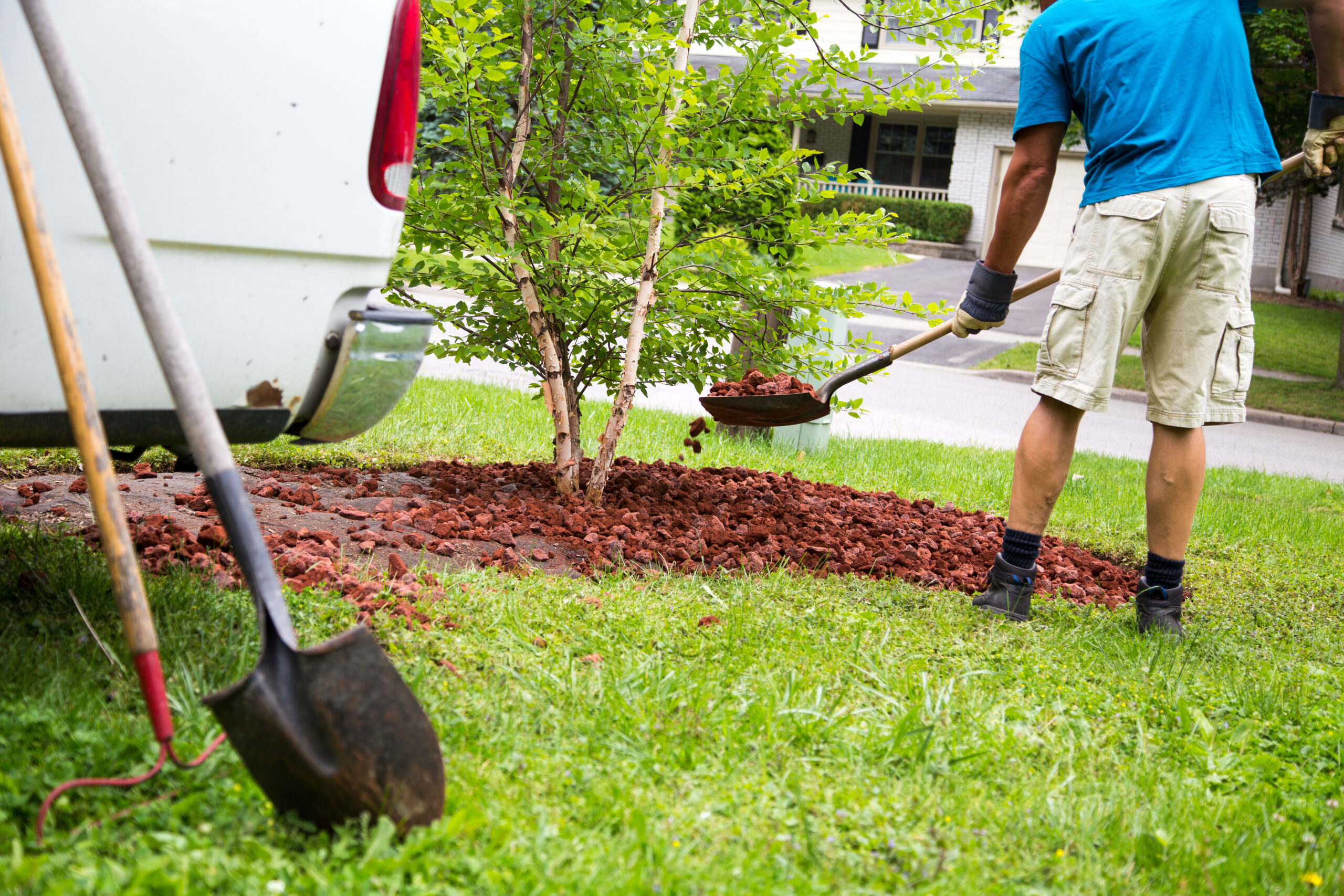
Here’s the truth: when the basics slip, everything looks worse—even if you have great plants and a nice home.
A clean reset often includes:
- Seasonal cleanup to pull the property back into shape
- Bed edging so the landscape looks finished (not fuzzy)
- Mulch refreshed for a clean look and healthier beds
- A maintenance rhythm that prevents the “catch-up spiral”
If you’re the type who wants the yard to look consistently sharp without losing weekends to it, this is where ongoing Maintenance Services help most.
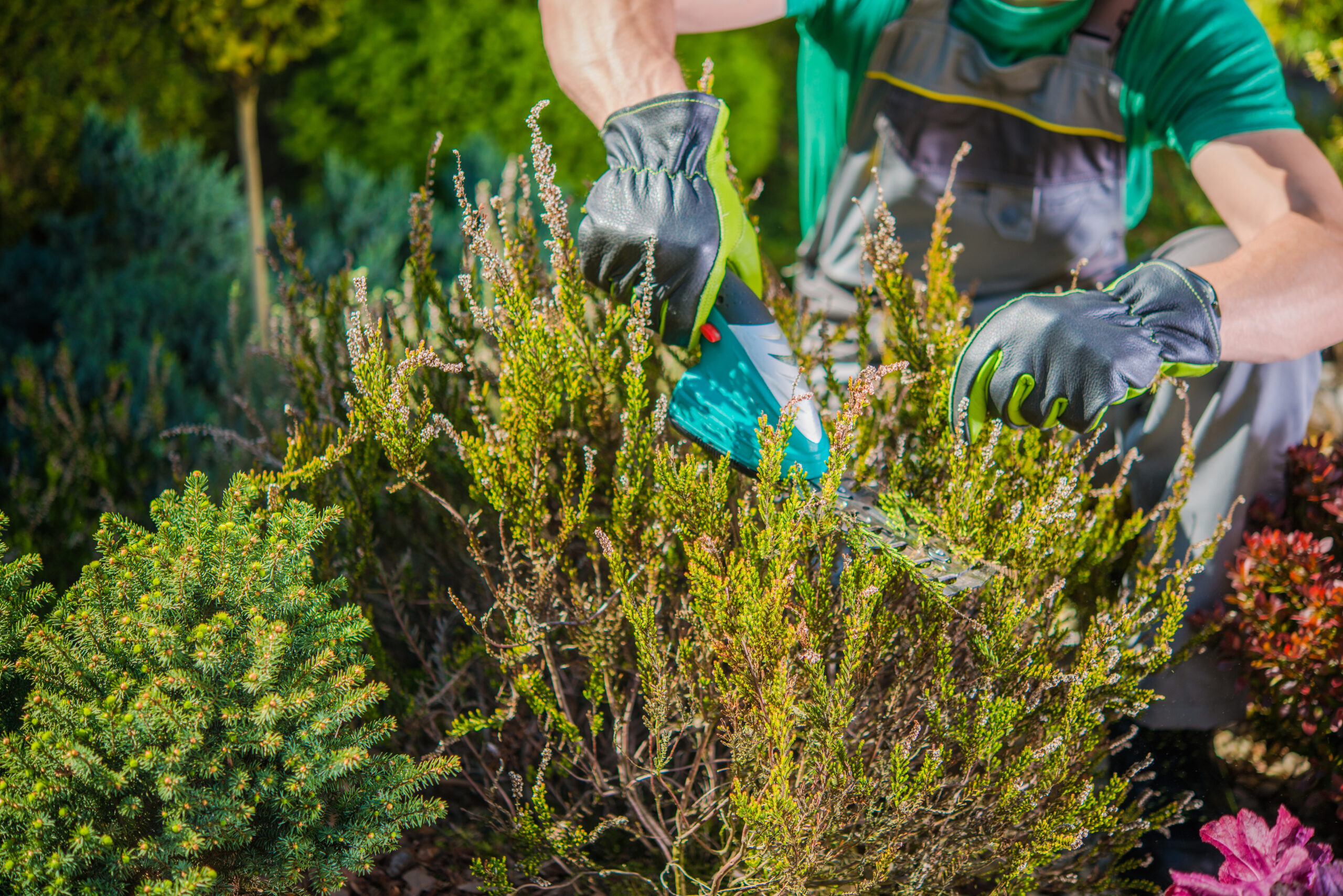
Late winter is a great time to tidy beds and prep for spring—but pruning is where people accidentally erase the spring show.
A simple rule:
- If it blooms in spring, wait to prune until after it flowers.
- If it blooms in summer, late-winter pruning is often the right move.
If you’re not sure what’s what, don’t guess. A short walkthrough can keep you from cutting off flowers you’ve been waiting months to see—and it helps plant health long-term.
For more plant-forward guidance and how we think about Delaware landscapes, browse the Atlantic blog for recent seasonal posts and practical strategies.
This is where landscaping stops being decorative and starts being useful.
A few high-impact upgrades we see people love immediately:
- Walkways that feel solid (no wobble, no mud detours)
- A small patio zone with purpose (grill nook + two chairs beats a giant unused slab)
- Lighting that makes the entry feel welcoming (and safer after dark)
- Solutions for slope and drainage so the yard stops getting beaten up in every heavy rain
If your priorities are patios, paths, retaining walls, or outdoor living zones, start here: Hardscaping.
If your “yard issue” is really a water issue—erosion, pooling, or poor runoff—our team also handles Storm Water Facilities because the best-looking fix usually starts with doing the unglamorous work correctly.
Planning gives you room to make better decisions—scope, materials, timeline—without feeling pressured.
Even if you’re not ready to do everything at once, we can phase the work so you improve the property steadily rather than waiting for the “perfect time.”
If you want this year to be the year your yard finally gets the attention it deserves, start the conversation here: Contact Atlantic Landscapes.
Everything above applies to larger properties too—especially when curb appeal and safety matter. Clean edges, healthy beds, functional lighting, and reliable maintenance don’t just look good—they signal care and professionalism. If you manage a commercial site, we can scope a plan that keeps things consistent throughout the season and prevents small problems from becoming costly ones.